
877-862-6021
Need Your A/C Fixed TODAY?
HVAC UV Light Systems: A Smarter Way to Protect Your Air Conditioner and Improve Indoor Air Quality
HVAC UV Light Systems: A Smarter Way to Protect Your Air Conditioner and Improve Indoor Air Quality
Your air conditioner does more than cool your home—it also circulates the air your family breathes every day. As moisture passes through the system, especially around the evaporator coil, it creates an environment where mold, mildew, bacteria, and other microorganisms can develop. Over time, these contaminants may affect system efficiency, contribute to unpleasant odors, and reduce indoor air quality.
One increasingly popular solution is the installation of HVAC UV light systems. Ultraviolet technology has been used for decades in hospitals, laboratories, and water treatment facilities to help reduce microbial growth. Today, homeowners throughout South Florida are discovering how UV lights can help keep air conditioning systems cleaner while supporting healthier indoor environments.
If you’ve heard about UV lights for HVAC systems but aren’t sure how they work or whether they’re worth the investment, understanding their purpose can help you make an informed decision.
What Is an HVAC UV Light System?
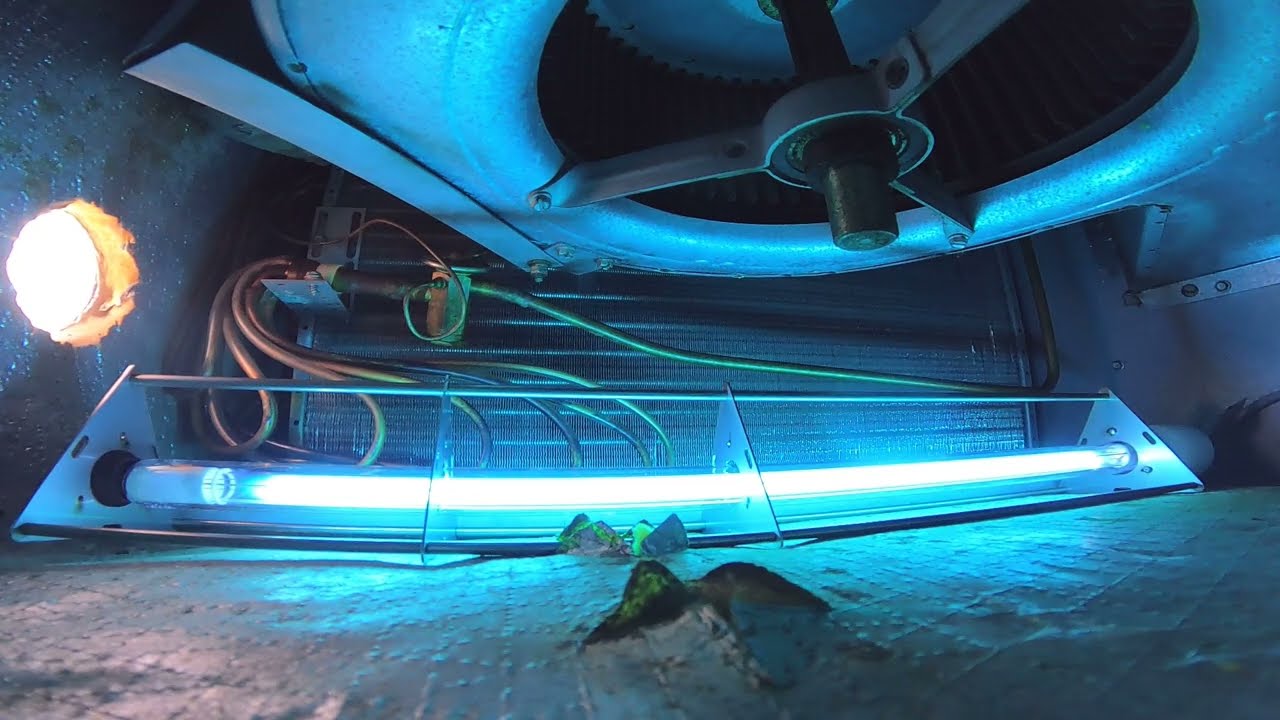
An HVAC UV light is a specialized ultraviolet-C (UV-C) lamp installed inside your air conditioning system.
Unlike decorative UV lighting, these lamps produce a specific wavelength designed to disrupt the DNA of mold, bacteria, viruses, and other microorganisms. When these organisms are exposed to UV-C light, they lose their ability to reproduce and spread.
Most residential installations place the UV lamp near the evaporator coil or inside the air handler, where moisture is most likely to accumulate.
Because the light operates continuously while installed inside the HVAC equipment, it provides ongoing protection in areas homeowners cannot easily access for routine cleaning.
Why Mold Often Develops Inside Air Conditioners
South Florida’s warm, humid climate creates ideal conditions for mold growth.
As warm indoor air passes over the cold evaporator coil, condensation naturally forms. Normally, this moisture drains away, but even small amounts of lingering moisture can encourage biological growth over time.
Dust and airborne particles that settle on damp coil surfaces provide an additional food source for mold and mildew.
Without regular cleaning or preventative measures, colonies can gradually develop inside the air handler, reducing efficiency and potentially contributing to musty odors throughout the home.
How UV Lights Help Keep HVAC Systems Cleaner
One of the primary benefits of UV lights is preventing microbial growth before it becomes a larger problem.
By continuously illuminating the evaporator coil and surrounding surfaces, UV-C light helps reduce mold, mildew, algae, and bacteria that thrive in damp environments.
Cleaner coils transfer heat more efficiently, allowing the air conditioner to cool the home with less effort. Reduced biological buildup also helps maintain proper airflow through the system.
While UV lights do not eliminate dust or replace air filters, they complement existing filtration by targeting contaminants filters cannot address once they settle inside the equipment.
Improving Indoor Air Quality
Indoor air quality has become a growing concern for many homeowners.
Although HVAC filters capture dust, pollen, and other airborne particles, microorganisms can still grow inside the system if moisture is present.
Installing a UV light helps reduce microbial contamination within the air handler before conditioned air is circulated throughout the home.
Many homeowners notice improvements such as:
- Fresher-smelling indoor air.
- Reduced musty odors.
- Cleaner evaporator coils.
- Better overall HVAC cleanliness.
- Increased confidence in indoor air quality.
For households with allergy sufferers or individuals sensitive to mold, UV technology may provide an additional layer of protection as part of a comprehensive indoor air quality strategy.
Can UV Lights Improve Air Conditioner Efficiency?
Yes—indirectly.
When mold and biological buildup accumulate on the evaporator coil, the system’s ability to transfer heat decreases. Even a thin layer of contamination can force the air conditioner to work longer to achieve the desired temperature.
Keeping the coil cleaner allows heat exchange to occur more efficiently.
As a result, homeowners may experience:
- Shorter cooling cycles.
- Improved airflow.
- More consistent temperatures.
- Reduced strain on HVAC components.
- Better long-term system performance.
While energy savings vary depending on system condition, cleaner equipment generally operates more efficiently than neglected equipment.
What UV Lights Do Not Do
Understanding the limitations of HVAC UV light systems is just as important as understanding their benefits.
UV lights are not air filters, and they do not remove:
- Household dust.
- Pet hair.
- Pollen.
- Lint.
- Dirt particles.
These contaminants must still be captured by properly maintained HVAC filters.
Likewise, UV lights are not a substitute for routine maintenance. Air filters still require regular replacement, coils should be inspected periodically, and the HVAC system should continue receiving professional service each year.
The best results occur when UV technology is combined with good maintenance practices.
Choosing the Right Type of UV System
Not every UV installation is identical.
Depending on the home’s needs, HVAC professionals may recommend:
- Coil sterilization lights that focus directly on the evaporator coil.
- Air purification UV systems installed within the airflow path.
- Combination systems designed to address both coil cleanliness and circulating air.
Selecting the proper configuration depends on the age of the equipment, indoor air quality concerns, humidity levels, and the overall HVAC design.
A professional evaluation helps determine which solution offers the greatest benefit for your home.
Professional Installation Matters
Although UV systems appear relatively simple, proper installation is essential for both safety and performance.
An experienced HVAC technician determines the correct lamp placement, electrical connection, and exposure angle to maximize effectiveness without interfering with system operation.
Professional installation also ensures compatibility with your specific air conditioning equipment and allows technicians to verify that the UV lamp will adequately illuminate the intended surfaces.
Improper placement can significantly reduce the effectiveness of the system.
Maintaining Your HVAC UV Light
Like any component of your HVAC system, UV lights require occasional maintenance.
Most UV-C bulbs gradually lose effectiveness over time, even if they continue glowing. Many manufacturers recommend replacing the lamp approximately once every 12 months to maintain peak performance.
During annual HVAC maintenance, technicians typically inspect the lamp, clean surrounding components, verify proper operation, and replace the bulb if necessary.
Keeping the UV system properly maintained ensures it continues protecting your air conditioner year after year.
Is an HVAC UV Light Worth the Investment?
For many South Florida homeowners, the answer is yes.
Because air conditioners operate for much of the year in a humid climate, preventing biological growth inside the system can improve both equipment cleanliness and indoor comfort. While UV lights won’t replace filtration or eliminate every indoor air quality concern, they provide valuable protection against mold and microbial buildup where moisture naturally accumulates.
Combined with regular maintenance and quality air filtration, UV technology helps create a cleaner, more efficient HVAC system.
Conclusion
HVAC UV light systems offer an effective way to reduce mold, mildew, and bacterial growth inside your air conditioning equipment. By keeping the evaporator coil cleaner and helping prevent biological buildup, UV technology supports improved efficiency, fresher indoor air, and a healthier HVAC system overall.
For homeowners throughout South Florida, installing an HVAC UV sanitizer is a practical upgrade that complements routine maintenance and high-quality filtration. Whether you’re looking to improve indoor air quality, reduce musty odors, or help your air conditioner operate more efficiently, a professionally installed UV light system can provide lasting value for your home and your comfort.


Submit your review | |
My air conditioner wasn't cooling properly, and they had someone out the same day. The repair didn't take long, and my home has been comfortable ever since.